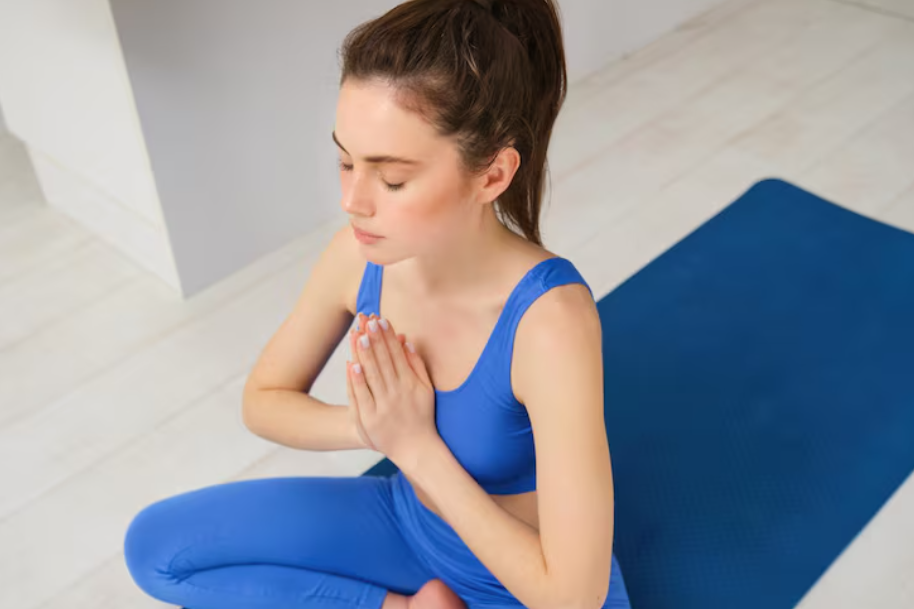
Anxiety can affect the way people think, feel, and respond to everyday situations. While occasional stress is a normal part of life, ongoing anxiety can create feelings of worry, tension, restlessness, and difficulty focusing. One of the simplest ways to manage anxious feelings is by using breathing techniques that help regulate the body’s natural stress response. Breathing exercises for anxiety are practical tools that can be used almost anywhere, whether someone is dealing with daily stress, sudden nervousness, or overwhelming emotions.
The connection between breathing and anxiety is powerful because the way people breathe can influence how the body reacts to stress. During anxious moments, many people begin taking quick, shallow breaths, which can increase feelings of discomfort and panic. Learning controlled breathing patterns can encourage relaxation, improve awareness, and create a sense of calm. This is why anxiety breathing exercises are often recommended as part of a healthy approach to emotional balance.
How Breathing Affects Anxiety
Breathing is something the body does automatically, but it can also be controlled intentionally. When a person feels anxious, the body may enter a stress response that prepares it to deal with a perceived threat. This response can cause a faster heartbeat, muscle tension, and changes in breathing patterns.
Slow and steady breathing sends signals to the brain that the body is safe and can begin to relax. By focusing on each breath, people can shift their attention away from anxious thoughts and reconnect with the present moment. Practicing breathing exercises for anxiety regularly can help develop a stronger ability to manage stressful situations.
Breathing techniques do not remove every challenge or difficult emotion, but they can provide a helpful way to reduce the intensity of anxiety symptoms. They are simple, free, and can become part of a daily self-care routine.
Deep Belly Breathing Technique
Deep belly breathing, also called diaphragmatic breathing, is one of the most common techniques used for relaxation. This method encourages deeper breaths that involve the diaphragm rather than short breaths from the chest.
To practice this technique, sit or lie down in a comfortable position. Place one hand on the chest and the other on the stomach. Slowly breathe in through the nose while allowing the stomach to rise. Then gently breathe out through the mouth while letting the stomach fall.
Repeating this process for several minutes can help slow down racing thoughts and relax tense muscles. Many people use this form of anxiety breathing exercises when they notice early signs of stress because it can be practiced quickly and quietly.
Box Breathing for Calmness
Box breathing is another effective method that focuses on creating a balanced breathing pattern. It involves four equal steps: inhaling, holding the breath, exhaling, and holding again.
A simple box breathing pattern may look like this:
- Breathe in slowly for four seconds.
- Hold the breath for four seconds.
- Exhale slowly for four seconds.
- Hold again for four seconds before repeating.
This structured approach gives the mind something specific to focus on, which can reduce attention on anxious thoughts. Box breathing is often useful during stressful situations because it encourages control and awareness.
The 4-7-8 Breathing Method
The 4-7-8 breathing technique is designed to promote relaxation through a slower breathing rhythm. This method involves inhaling for four seconds, holding the breath for seven seconds, and slowly exhaling for eight seconds.
Because the exhale is longer than the inhale, this technique can encourage the body to move toward a calmer state. Practicing it consistently may help people feel more comfortable handling moments of tension.
Like other breathing exercises for anxiety, the 4-7-8 method works best when practiced regularly instead of only during intense anxiety. Building familiarity with the technique makes it easier to use when stressful moments appear.
Mindful Breathing and Awareness
Mindful breathing combines breathing control with awareness of the present moment. Instead of trying to change thoughts or push away emotions, this approach focuses on noticing each breath without judgment.
During mindful breathing, a person can pay attention to the feeling of air entering and leaving the body. If the mind starts wandering, gently returning attention to the breath can create a calming effect.
This practice can be especially helpful for people who experience constant worrying because it teaches them to observe thoughts without becoming completely absorbed by them. Regular mindfulness practice can make anxiety breathing exercises more effective by improving concentration and emotional awareness.
Benefits of Practicing Breathing Exercises Regularly
Making breathing exercises part of a daily routine can provide several benefits for emotional and physical well-being. Some common advantages include:
- Reduced feelings of stress and tension
- Improved ability to stay calm during difficult situations
- Better awareness of emotional reactions
- Increased relaxation and mental clarity
- A greater sense of control during anxious moments
Breathing exercises are also convenient because they do not require special equipment or a specific location. A few minutes of focused breathing can be practiced at home, at work, while traveling, or before stressful events.
Creating a Consistent Breathing Routine
Like any skill, breathing techniques become more effective with practice. Many people benefit from setting aside a few minutes each day to practice calm breathing, even when they are not feeling anxious.
A consistent routine helps the body become familiar with relaxation. Over time, these techniques may become easier to access during moments of stress. Some people prefer practicing in the morning to start the day calmly, while others use breathing exercises before sleep to relax the mind.
Combining breathing techniques with other healthy habits, such as regular movement, proper rest, and positive coping strategies, can support overall emotional wellness.
Using Breathing Exercises During Anxiety Moments
When anxiety suddenly increases, it can feel difficult to think clearly. Having a simple breathing technique ready can provide immediate support. Instead of focusing on anxious sensations, directing attention toward slow and controlled breathing can create a feeling of stability.
For example, someone experiencing nervousness before a presentation, meeting, or important event may use deep breathing to settle their thoughts. Similarly, a person feeling overwhelmed by daily responsibilities may use a few minutes of mindful breathing to regain focus.
The goal of breathing exercises for anxiety is not to force anxiety away instantly but to create a calmer response and improve the ability to handle challenging emotions.
Conclusion
Anxiety can feel overwhelming, but simple tools like controlled breathing can provide valuable support. Breathing exercises for anxiety offer an easy and natural way to encourage relaxation, improve awareness, and manage stressful feelings. Techniques such as deep belly breathing, box breathing, mindful breathing, and the 4-7-8 method can help people develop healthier responses to anxiety.
With regular practice, anxiety breathing exercises can become an important part of a personal wellness routine. While everyone experiences anxiety differently, learning how to control breathing can create moments of calm and help people feel more prepared when facing stressful situations.